
Are you sure you want to leave CB's MyShop site?
Are you sure you want to leave CB's MyShop site?
Are you sure you want to leave CB's MyShop site?
Are you sure you want to leave CB's MyShop site?

Written by: 4Life Research
Publication date: July 2025
Let’s explore what the science says, especially according to the European Food Safety Authority (EFSA), so you can make informed decisions for your well-being.
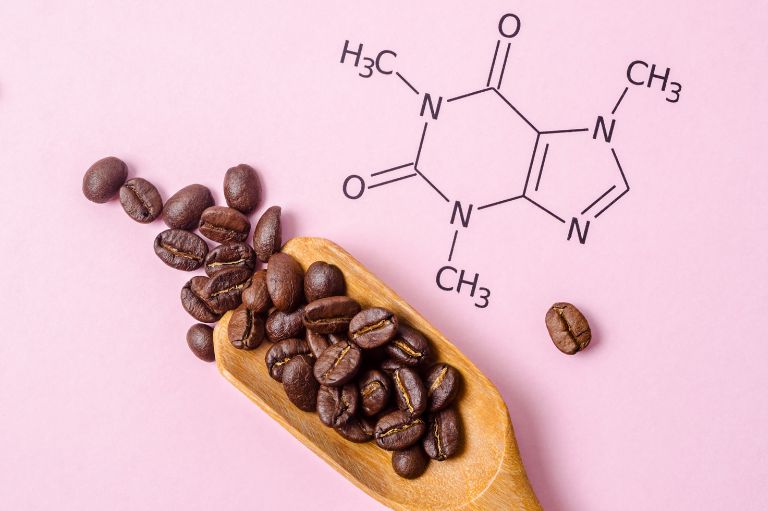
Caffeine has two recognised effects under European regulation, but only in specific contexts and doses:
These benefits are only observed when caffeine is consumed:
These performance-related claims can only be made for products that provide at least 75 mg of caffeine per daily dose.
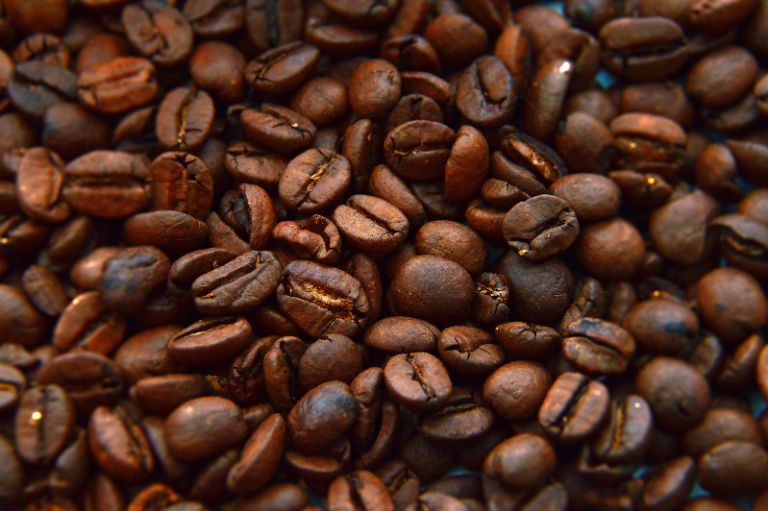
Natural caffeine is a plant-derived stimulant found in certain foods and beverages, such as coffee beans, tea leaves, and cacao. Unlike synthetic caffeine, which is produced in a lab, natural caffeine comes directly from botanical sources.
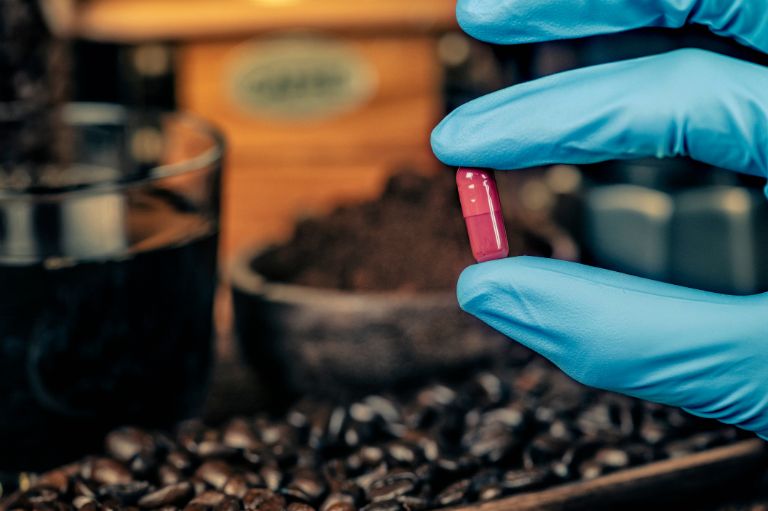
Synthetic caffeine is produced in a lab through chemical synthesis. It typically involves compounds like urea and chloroacetic acid, which undergo multiple reactions to create caffeine anhydrous: the form commonly used in energy drinks, sodas, and supplements.

Chemically speaking, both natural and synthetic caffeine are exactly the same. The difference lies in the source:
However, from a regulatory perspective, there's no evidence that natural caffeine is safer, healthier or more effective than synthetic caffeine, despite the personal preference of taking natural sources for lifestyle or sustainability reasons.
All 4Life Europe products use naturally sourced caffeine, never synthetic.
Whether you want a powerful push or a subtle lift, there’s a solution designed for your rhythm!
To experience the recognised benefits of caffeine, timing and dose are key:
Do not exceed 400 mg per day from all sources. This is the maximum daily amount considered safe for healthy adults, according to EFSA.

Even if you're not heading to the gym, caffeine can still play a role in your day.
Whether from tea, coffee or functional drinks, it helps support alertness and mental focus. But remember:
Looking for a little extra boost? Several 4Life products contain natural sources of caffeine, but not all are designed for the same purpose or intensity.
These options are ideal if you're looking to energize your workouts or stay sharp on busy days:
Other products like Renuvo (19 mg), Belle Vie (17.5 mg), and RiteStart (15.45 mg) contain smaller amounts of caffeine!
Perfect for those who want a more gentle, everyday option. While they don’t reach the threshold for physical performance claims, they still fit seamlessly into your wellness routine.
Both natural and synthetic caffeine can support performance, as long as they are taken in the right dose and at the right time. Their effects are the same, and no version has an advantage in terms of health benefits according to EU regulation.
At 4Life Europe, we believe in science-backed choices. That means offering transparency, compliance, and options that fit your wellness goals, no matter what your source of caffeine may be.
These claims apply only to healthy adults engaged in physical activity. EFSA also states that caffeine is not recommended for children, pregnant or breastfeeding women.


You are trying to view a MyShop page. Please log out in order to view this website.